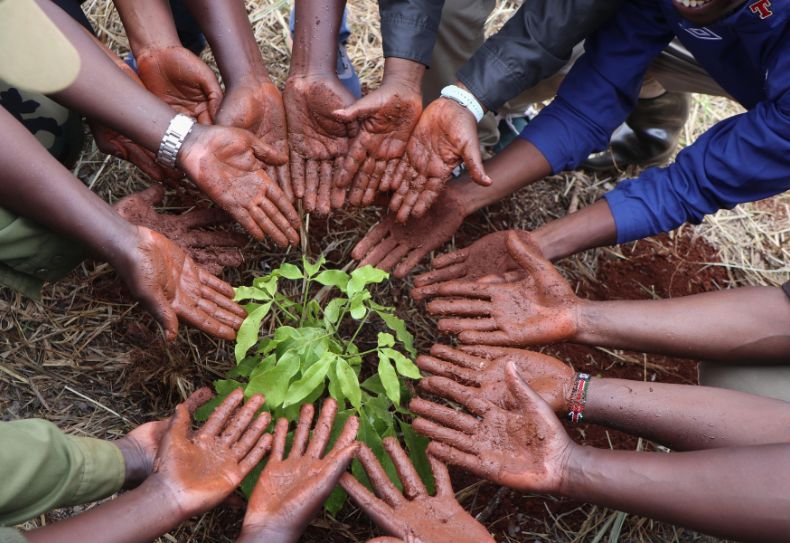
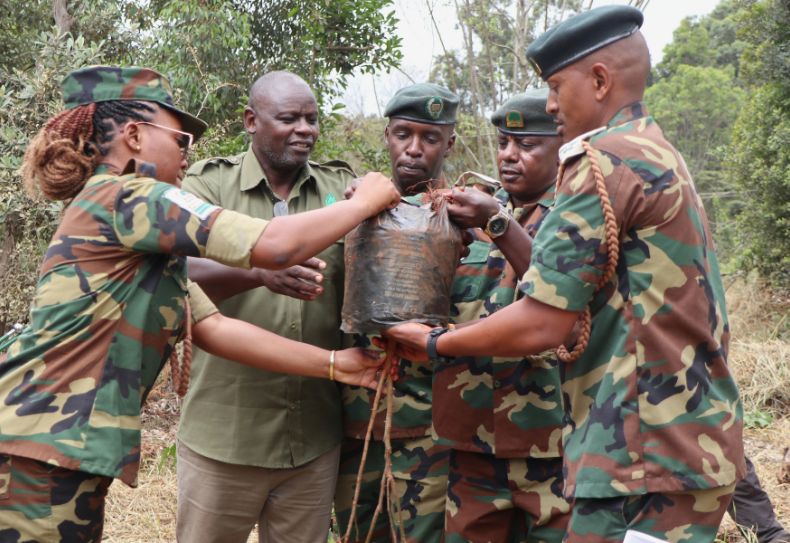
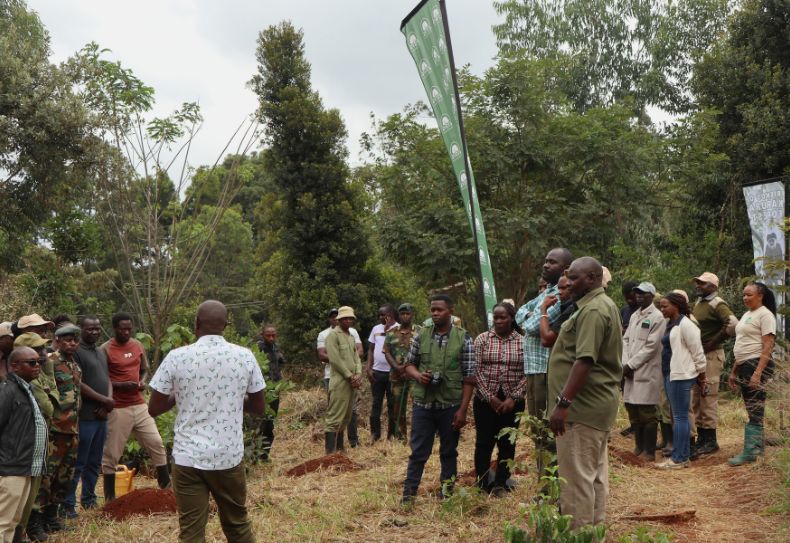
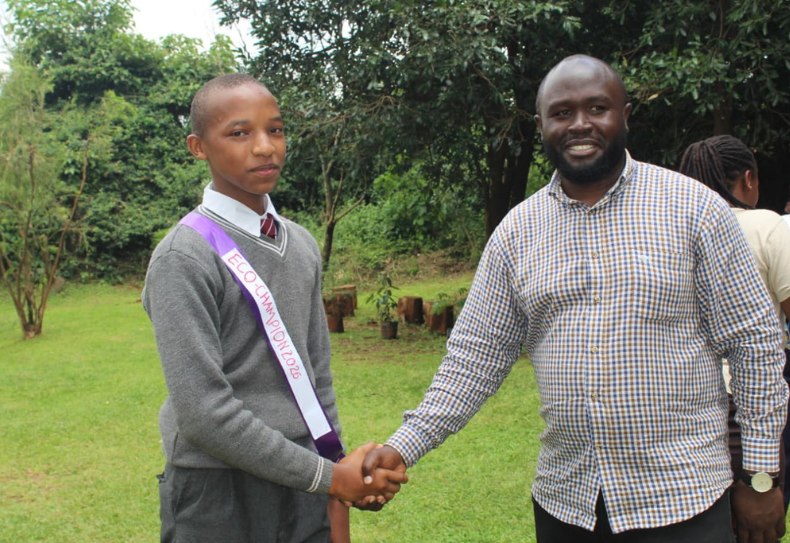
As Kenya prepares to celebrate Mazingira Day on 10 October, the Karura Forest Environmental Education Trust (KFEET) team joined the Kenya Forest Service (KFS) and Friends of Karura Forest (FKF) teams on 8 October 2026 for a day of tree planting and conservation learning.
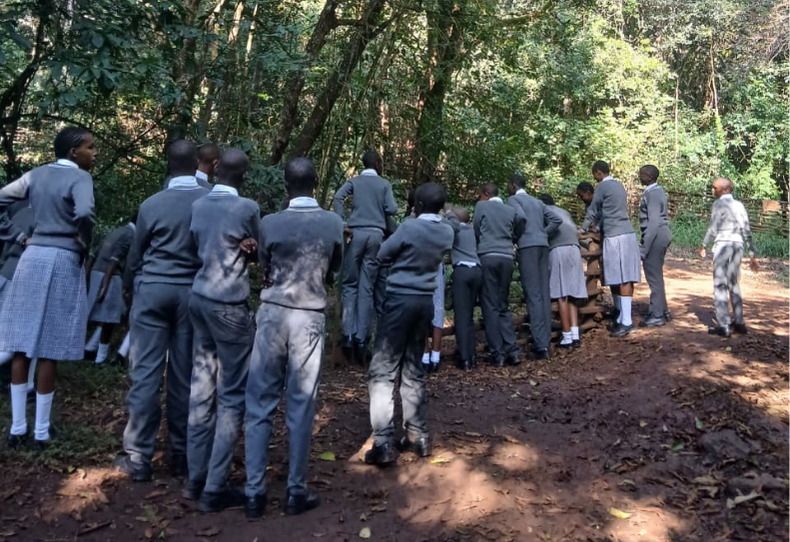
The programme included tree planting, a short guided walk to appreciate restored areas of the forest, a competitive conservation trivia session and commitment pledges on a conservation board.
Mazingira Day is a nationwide celebration, with the main national event scheduled for Saturday, 10 October 2026. However, considering the high number of visitors and traffic experienced at Karura Forest over the weekend, our in-house celebration was held on 8 October, a date that also holds historical significance for Karura Forest. According to Mr Munene, Head of the Karura Forest Ecotourism Station, the late Professor Wangari Maathai was awarded the Nobel Peace Prize on 8 October 2004.
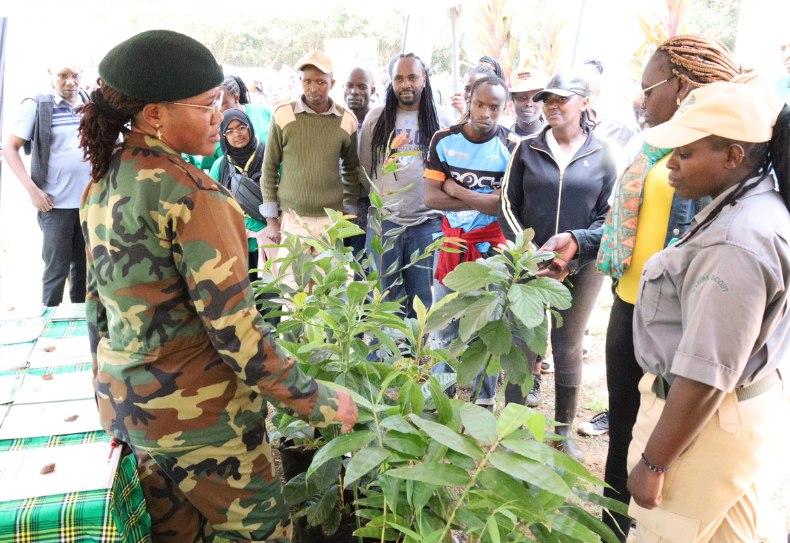
Elly Kogei, FKF Restoration Officer, explained that the restoration team had selected 50 indigenous seedlings for the exercise. Although more seedlings were available and there was sufficient space for planting, the lack of rainfall meant that planting had to be limited to avoid wasting seedlings before favourable conditions returned.
Among the selected seedlings was Bridelia (black sweet berry), a medicinal tree with sweet, edible fruits and fibrous roots. This ceremonial tree was planted by the management team, comprising Mr Munene (KFS), Mr Peter Njui, Operations Manager at FKF, the Forest Station Manager, Inspector Mr Gitonga and Assistant Forester Ms Jean.
The remaining seedlings, including Carissa edulis, Prunus africana, Erythrina abyssinica, Syzygium species, Albizia species, Croton megalocarpus, Cape chestnut, Vepris glandulosa, Afrocanthium keniense and Ludia species, were distributed among five groups, with each group planting 10 seedlings.
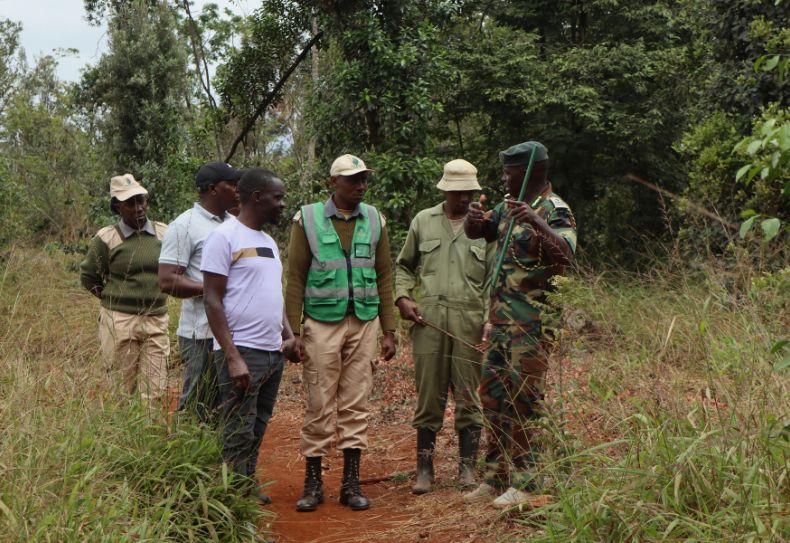
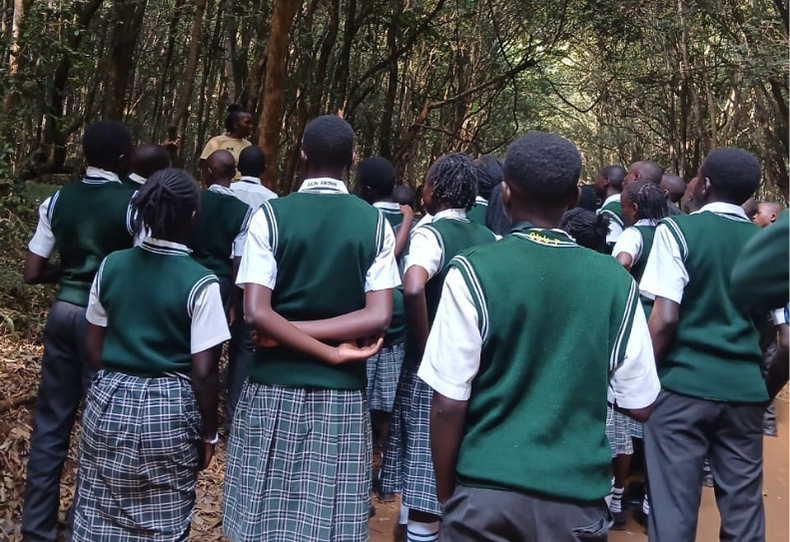
Following the tree-planting exercise, participants embarked on a short guided walk to appreciate recently restored sections and other restoration sites within the forest.
During the walk, Mr Munene highlighted the importance of considering the landscape and existing tree populations when planning forest restoration. This includes studying mature trees, understanding genetic diversity and avoiding excessive reliance on a single species. Planting a variety of indigenous species helps reduce the risk of losing large numbers of trees if a disease outbreak affects a particular species.
The discussion also explored the political, economic and social dimensions of forestry. Mr Munene emphasised that forests are a long-term investment and that successful conservation requires an understanding of the needs and interests of surrounding communities.
Social forestry, in particular, involves engaging communities that depend on forests for various resources and respecting their cultural values. During dry seasons, for example, livestock keepers may depend on forest grass as a last resort. Understanding such needs and engaging communities constructively can help reduce conflict and prevent destructive practices, including forest fires. Similarly, sacred sites such as shrines and caves must be approached with respect for the cultural beliefs of neighbouring communities and their elders.
The team also learnt about the role of the current breeding seed orchard at Amani Nursery in supporting restoration efforts. Seed orchards bring together seeds from different sources in a controlled setting, providing opportunities for research and supporting the long-term availability of seedlings. The selection of tree species must also consider the conditions of each restoration site. In waterlogged areas, for instance, species that tolerate wet conditions are more suitable. While eucalyptus can absorb substantial amounts of water, careful consideration must be given to its effects on aquatic fauna and small mammals that depend on these areas as drinking points. Selecting appropriate indigenous species remains an important part of restoring healthy forest ecosystems.
These lessons reinforced the understanding that forest rehabilitation is a long-term undertaking that requires scientific knowledge, careful planning and collaboration.
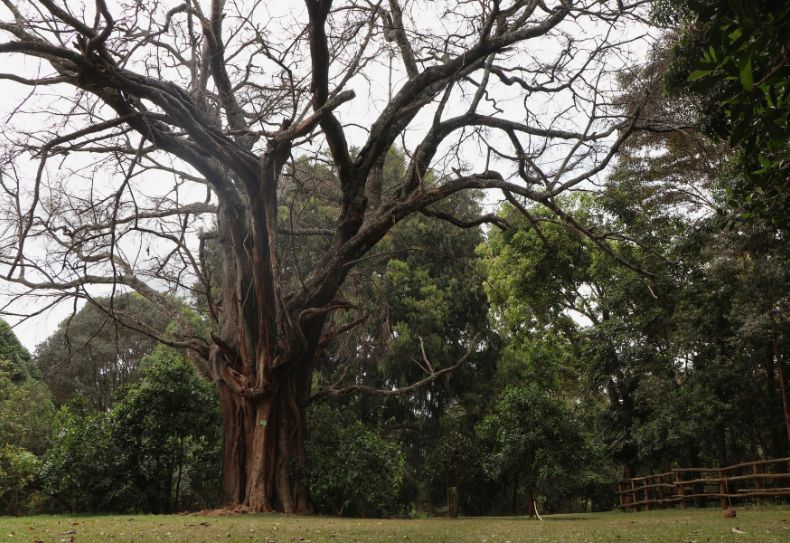
The guided walk concluded at Amani Gardens, where participants learnt about the history and cultural significance of its magnificent Mugumo tree.
The Mugumo is a sacred and ceremonial tree among the Kikuyu community. The iconic tree has now dried up. However, according to Kikuyu cultural beliefs, the Mugumo should not be felled, highlighting the importance of respecting cultural heritage in forest management.
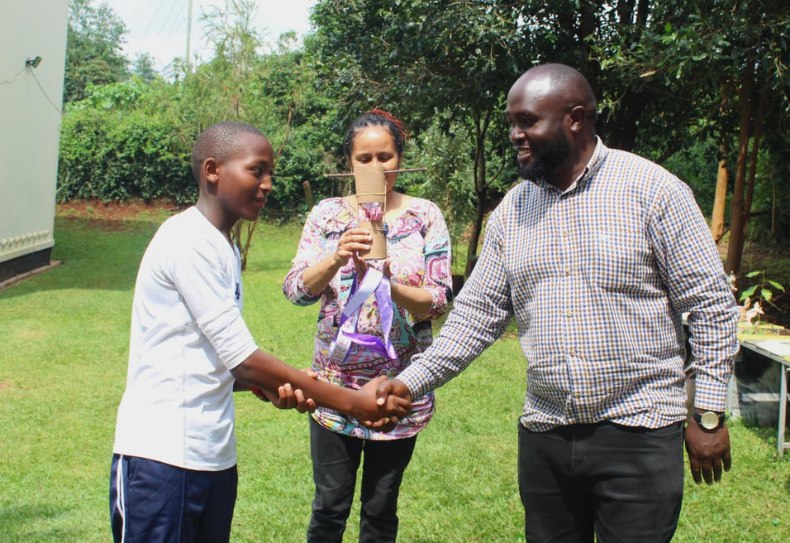
The learning continued with a lively and competitive conservation trivia session. Questions covered a range of topics, from identifying the tree species planted by each group to the history of Karura Forest and current affairs. Participants put their knowledge to the test, and prizes were awarded to the winning teams.
To conclude the day’s activities, participants made personal commitments to forest conservation by recording their pledges on a commitment board, reaffirming their shared responsibility to protect and restore Karura Forest.
The celebration provided an opportunity to learn, reflect on the progress made in forest restoration and strengthen collaboration among the teams working to conserve this important urban forest. It was also a reminder that successful restoration goes beyond planting trees; it requires scientific understanding, community engagement, respect for cultural heritage and a long-term commitment to nurturing the forest.
Karura Forest, A Living Classroom: The Power of Experiential Learning
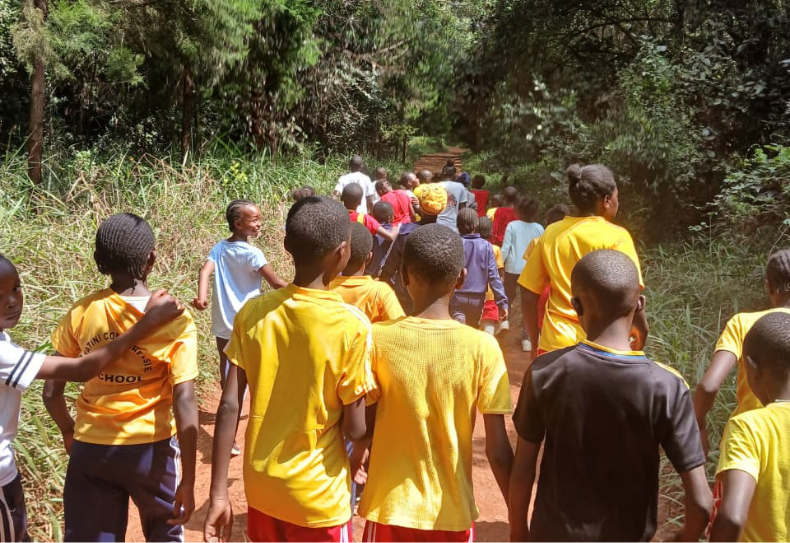
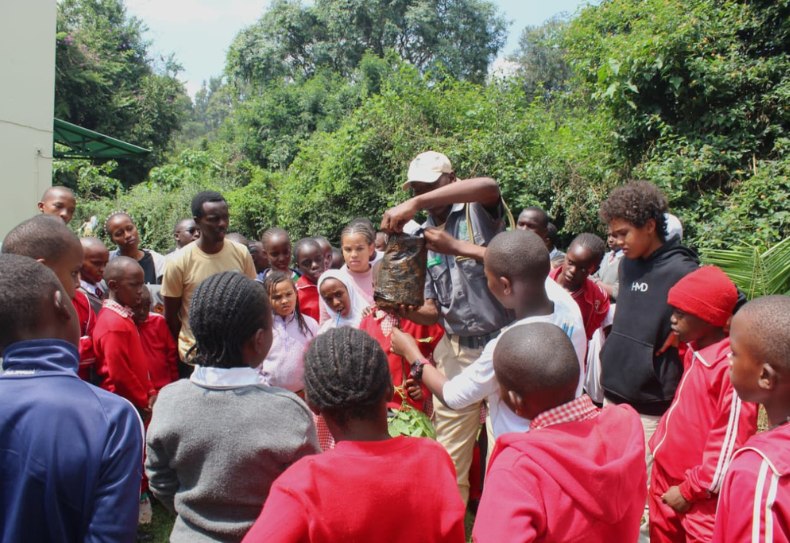
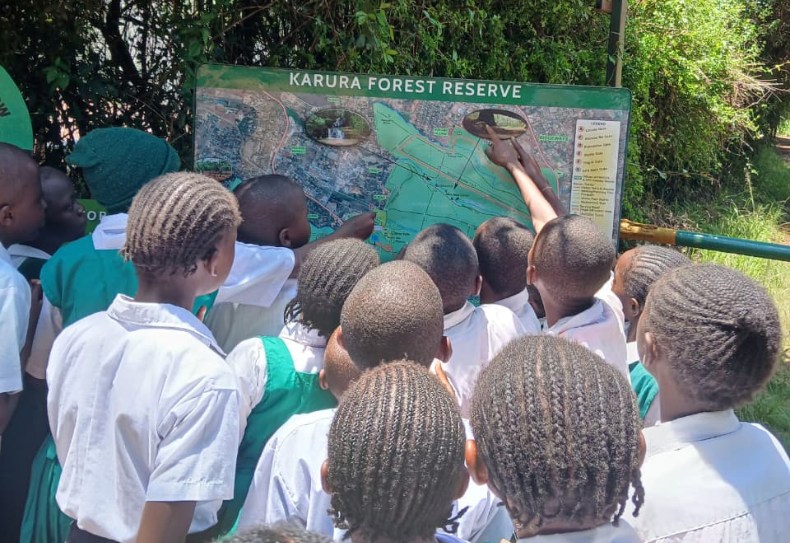
As we prepare to welcome learners back after the school holidays and resume the KFEET School Outreach Programme, it is a good time to pause and reflect on the value of bringing children into Karura Forest to learn. Every year, we welcome hundreds of children into the forest, many of them coming with ideas about trees, rivers, wildlife and conservation that they may have encountered in the classroom. Once they are here, those ideas take on a different meaning. A tree that they may have only seen in a book is suddenly right in front of them. They can feel its bark, look up into its branches and see the insects and birds that depend on it. Or, perhaps, a lesson about rivers becomes much easier to understand when they are standing beside a real stream, listening to the unforgettable sound of the waterfall, or watching the water move through the forest.
There is something about being outdoors that encourages children to look more closely and ask more questions. On a forest walk, a lesson can take an unexpected turn because someone has spotted an interesting insect, heard a bird call or noticed something unusual about a tree. Those moments are often where some of the best learning happens. Children do not simply listen to information, they observe, discuss, wonder, ask questions and try to make sense of what they see around them. The forest gives them a wonderful chance to share new experiences with their peers and to connect what they have learned at school with the world they live in
For many of our learners, particularly those growing up in Nairobi, a visit to Karura may be one of those rare opportunities to spend quality time in a natural environment. On very hot days, they experience the coolness beneath the canopy. Here, they can listen to the birdsong (maybe even spot some birds in the trees) and slow down just enough to notice the small details that are easy to miss in the busyness of everyday life. When a child develops a sense of wonder and curiosity about nature, conservation becomes more than a theoretical session and becomes something they can relate to and care about, and this leaves a lasting impression.
This is what makes our work so meaningful to us. We want every learner who visits us to leave with new knowledge, but also with a greater appreciation of the natural world and a feeling that they have a part to play in protecting it. As we look forward to welcoming schools back after the break, we are excited to once again see the forest through the eyes of our young visitors, with all their questions, discoveries and enthusiasm. Sometimes, the most memorable lessons are the ones that happen when we step outside the classroom.
Julie Kimutai
Karura Forest Environmental Education Trust
Karura's Mysterious Chimney: Brick, Bloom, and a Bit of Legend
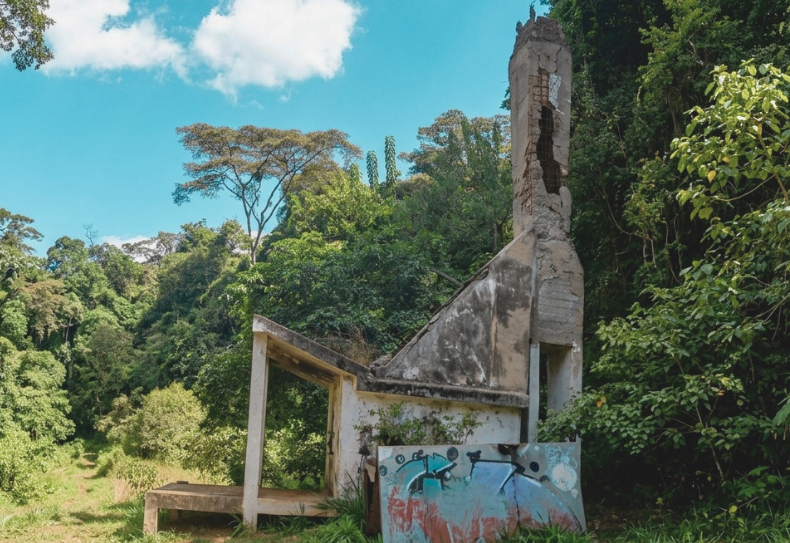
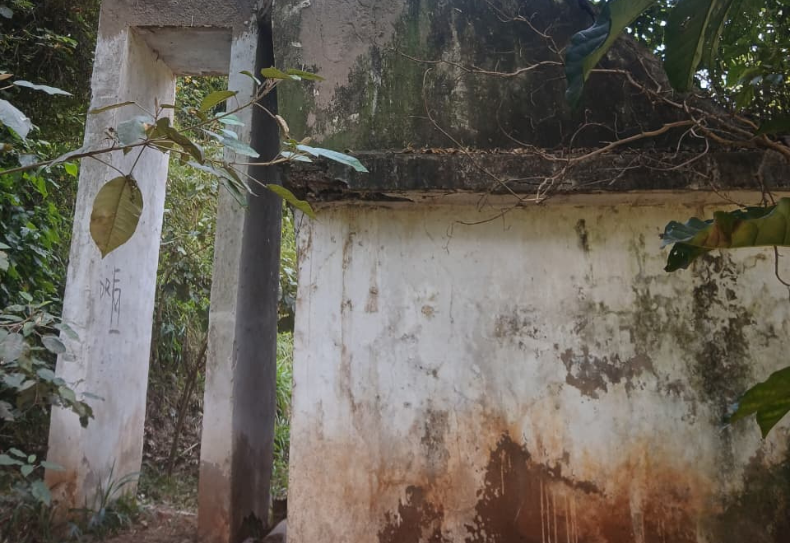
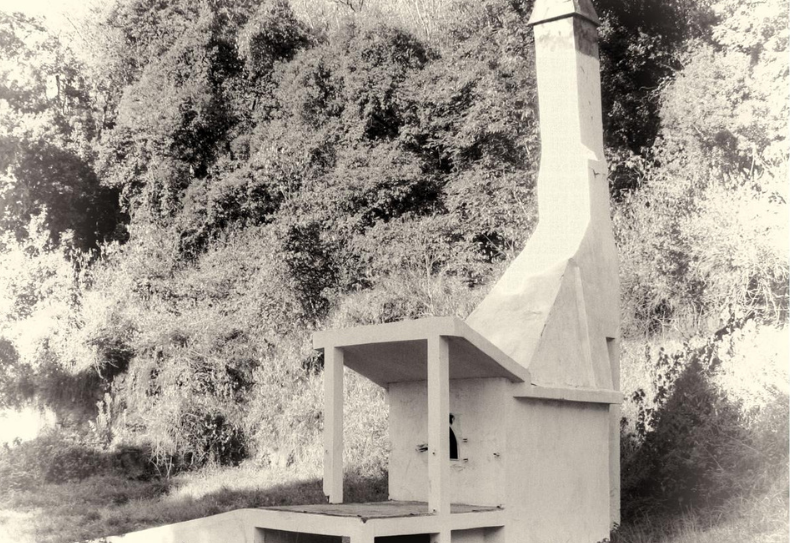
About a kilometre from the Kiambu Road entrance to Karura Forest (Gate A), there’s a location named Pretty Valley, otherwise known as No. 22. There stands a tall, whitewashed brick chimney standing alone amongst the trees, looking like a strange relic from the Victorian era that somehow found its way into an African forest. Everyone who sees it has many questions: is it an industrial relic? What on earth would burn there? The chimney was not used to burn bricks or charcoal, but money!
Picture heaps of money, going up in smoke amongst the bees and butterflies. This oddly beautiful and somewhat mysterious chimney belonged to the Central Bank of Kenya and was used as an incinerator for decommissioned currency notes right up until the mid-1990s. Money that was too old and torn up for further circulation didn’t get shredded behind sealed vaults but was brought here to Karura Forest to be burned. This fascinating detail turns this random, old brick chimney into a quietly dramatic landmark, a silent witness of a time long forgotten.
Of course, people always have lots of rumours about forests, and Karura’s chimney is no exception. One rather cynical theory holds that the currency notes were not really incinerated at all, but rather, recirculated to line a few well-positioned pockets. There is, obviously, no proof of this theory. But it certainly adds to the depths of conversation surrounding the old chimney.
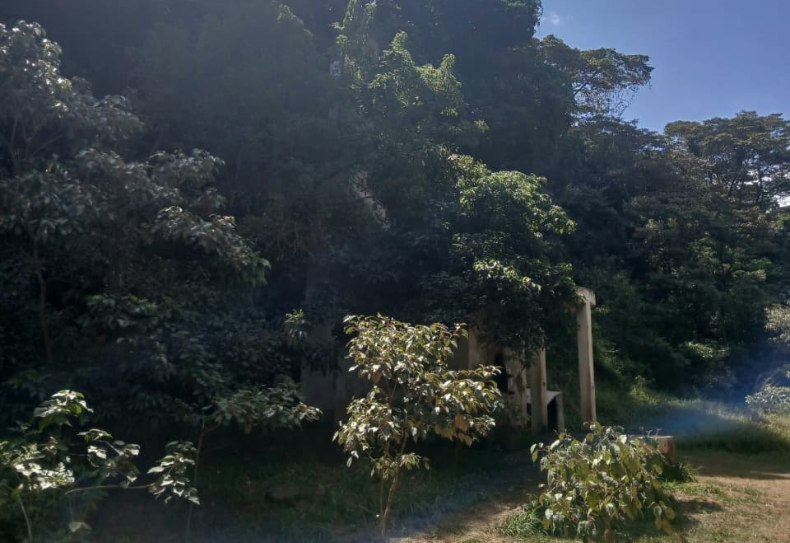
At one point, the chimney received a fresh coat of white paint and looked quite glamorous. Over the years, however, the paint has faded and weathered, and the chimney has gradually become less conspicuous, seeming almost to merge with the surrounding forest and become part of the landscape.
The chimney’s neighbourhood is quite a busy patch of forest. Suni antelopes often potter about nearby, and on the slightly elevated ground towards the KFS nursery, bushbucks have been known to make appearances. Bush pigs are also known to frequent the site, although being quite shy, you’d be far more likely to spot their droppings than the actual animals themselves. In the past, there have also been spottings of the elusive African rock python, although whether it still visits the area is another of our forest mysteries.
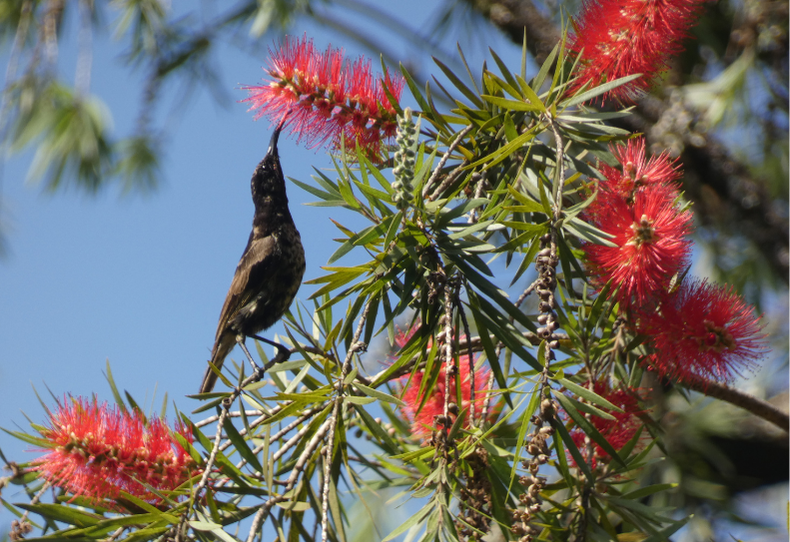
Near the chimney, wild raspberries grow in abundance, a huge attraction for many local birds. The Rubus flowers (of the berry-producing family) attract an array of pollinators: bees, butterflies and even sunbirds!
When you’re next in Karura Forest, it’s worth slowing down at Pretty Valley for the unique view, to ponder the history, and to simply to appreciate Karura’s old and wise chimney, which now almost perfectly blends in with the natural world around it.
Julie Kimutai,
KFEET Manager
A Boost for the KFEET Outreach Programme (Asante sana, Prudential Plc)
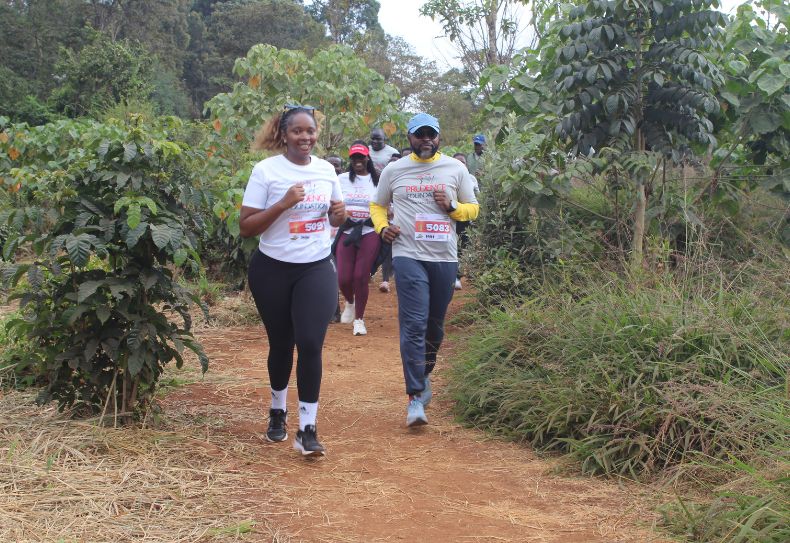
Today, Karura Forest was filled with the energy of the Prudential team as they came together for a special run in the forest in a fitting celebration of teamwork, wellness and a shared commitment to making a positive difference.
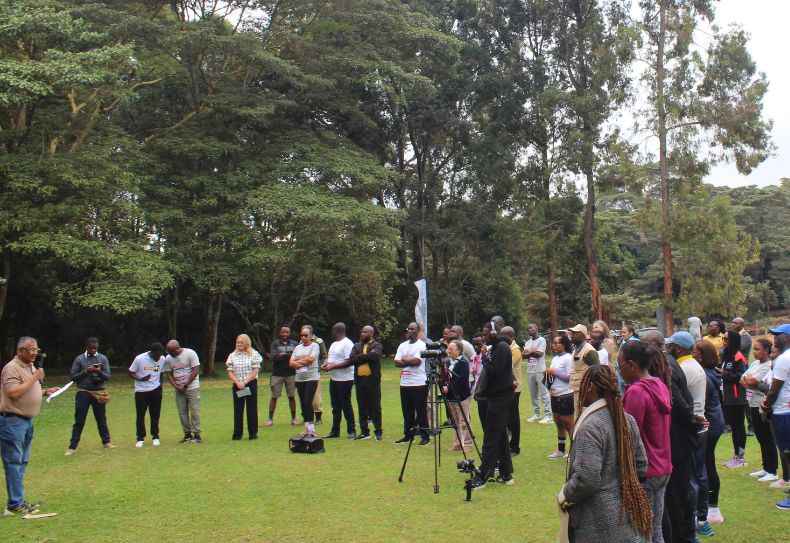
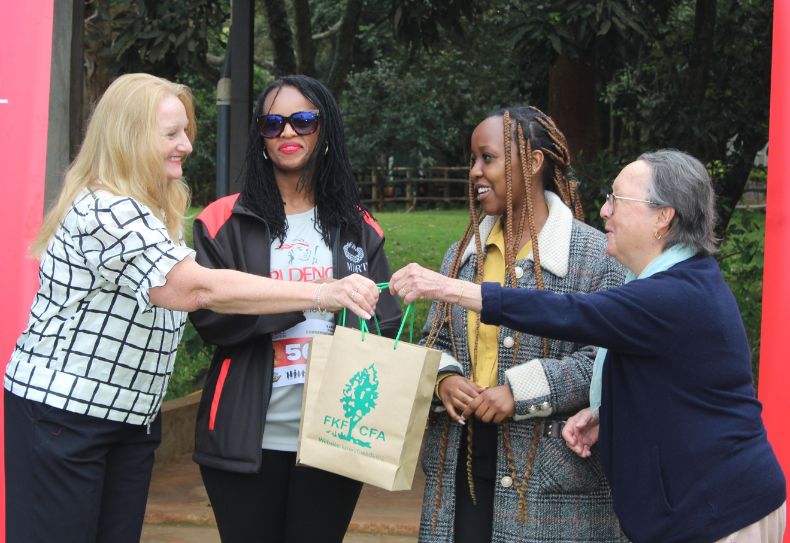
The run was flagged off following brief remarks from the leadership of Prudential plc, together with representatives from Friends of Karura Forest (FKF) and the Karura Forest Environmental Education Trust (KFEET). The occasion also provided an opportunity for KFEET Management Committee Chairperson, Mr. Rajesh Shah, EBS, to extend a warm message of appreciation to Prudential for its generous support towards forest restoration and environmental education.
The contribution is especially exciting because, alongside supporting the restoration of Karura Forest, it will enable KFEET to bring more than 700 schoolchildren from under-resourced communities to the forest through the CBC Outreach Programme. The programme makes these visits possible by providing learners with transport to and from Karura, a brief educational session focusing on conservation topics aligned with the CBC curriculum, a guided forest walk, lunch, and time to enjoy some free play in the KFEET field. For many of these children, this will be their first opportunity to experience the forest firsthand.
There is something truly memorable about seeing a learner experience the forest for the first time. Away from the classroom, their senses come alive! These moments spark curiosity and fill children with a sense of wonder and appreciation for the natural world. The forest becomes more than something they have read about and becomes something they have seen, touched, heard and felt, and can begin to truly care about.
Through the CBC Outreach Programme, we hope these experiences will do more than simply teach children about conservation. We hope they will nurture a genuine love for nature and stir in them the desire to become the next generation of forest champions.
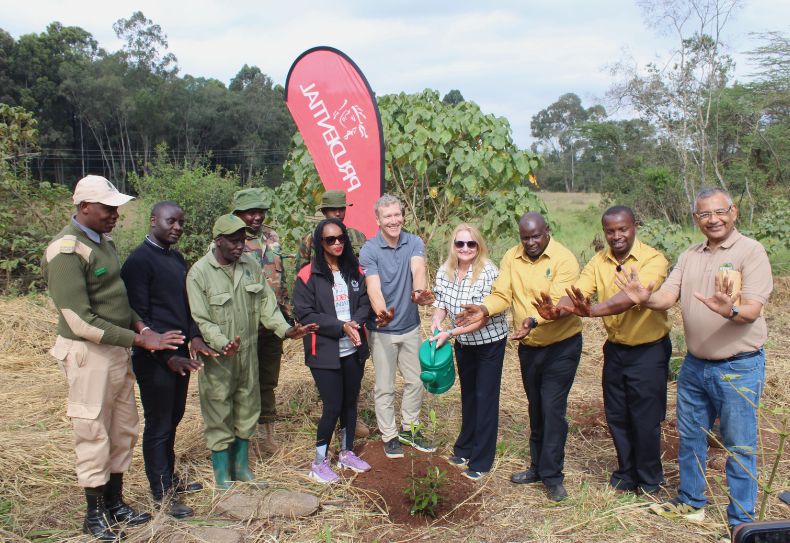
The day was made even more meaningful as leadership teams from Prudential, MDRT, FKF and KFEET joined together to plant trees, commemorating a partnership that connects restoration today with the environmental champions of tomorrow.
A very special and heartfelt thank you to Prudential plc and the Prudence Foundation for this wonderful gesture. Your support will leave a legacy that reaches far beyond the trees we plant today, living on in the wonder of a child discovering the forest for the first time, in the memories they carry home, and perhaps, one day, in the choices they make to protect our natural world. Because when we help a child fall in love with a forest, we help to give that forest a champion for life.
Education Facilitators Birdwatching Training
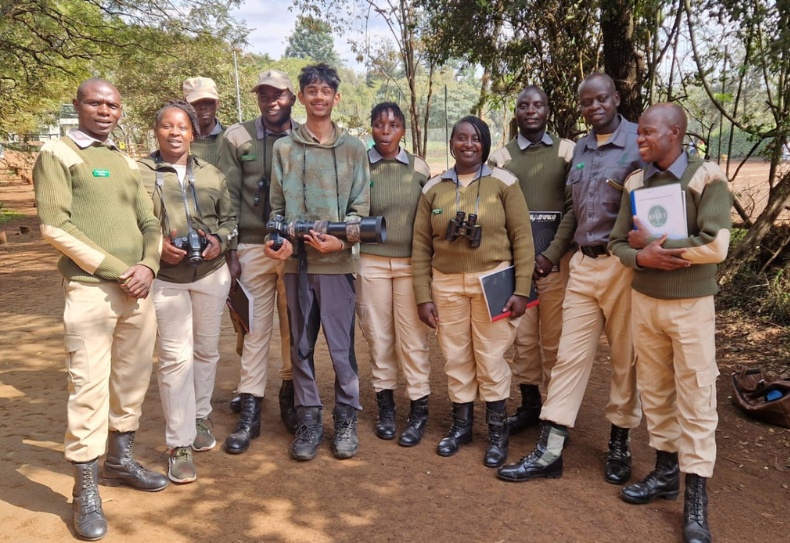
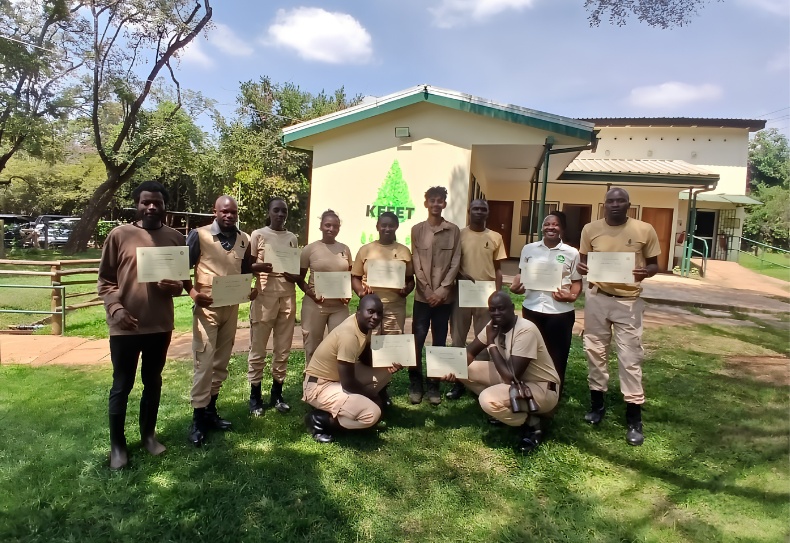
As part of KFEET’s commitment to continuous capacity building, our Education Facilitators participated in an intensive birdwatching training workshop held from 13th to 16th July 2026. The workshop was facilitated by Mr. Adarsh Nagda, a professional bird guide, wildlife photographer, and member of the Nature Kenya Bird Committee.
The training equipped our team with practical bird identification skills and a deeper understanding of bird ecology, behaviour, bird tourism, and the use of citizen science applications such as Merlin Bird ID and eBird. These skills will strengthen our environmental education programmes by enabling facilitators to confidently interpret the rich birdlife of Karura Forest for learners and visitors.
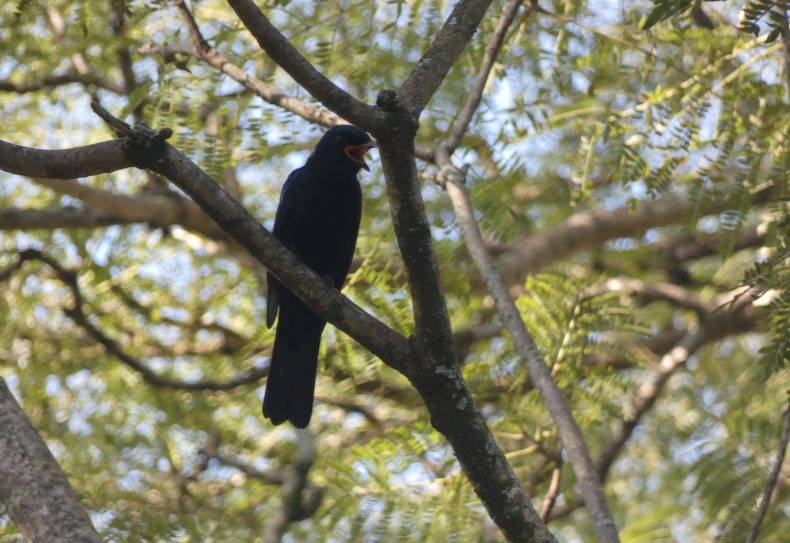
The workshop combined classroom sessions with extensive field practice, making it both practical and engaging. During the first field session, the team recorded 61 bird species, with highlights including the Black Cuckooshrike and the White-headed Barbet. One of the first lessons focused on identifying birds by their families, a fundamental skill in birdwatching. It was exciting to encounter representatives from many different bird families, including sunbirds, weavers, barbets, waterbirds, and raptors.
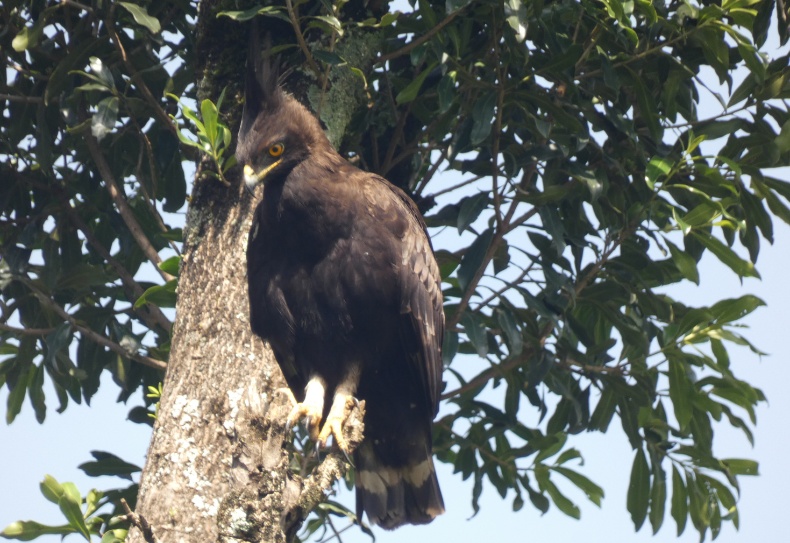
The second day began with an early morning birding walk, where we were rewarded with exceptional views of a Long-crested Eagle. The bird remained perched long enough for the team to study both its front and rear profiles, providing an unforgettable learning opportunity. As we ventured deeper into the forest canopy, the focus shifted to identifying birds by their calls and songs, an essential skill in forest birding. Guided by Adarsh’s expertise, we successfully located the elusive Cabanis’s Greenbul, a species that favours the forest understorey, while its close relative, the Yellow-whiskered Greenbul, announced its presence with its distinctive calls echoing through the forest.
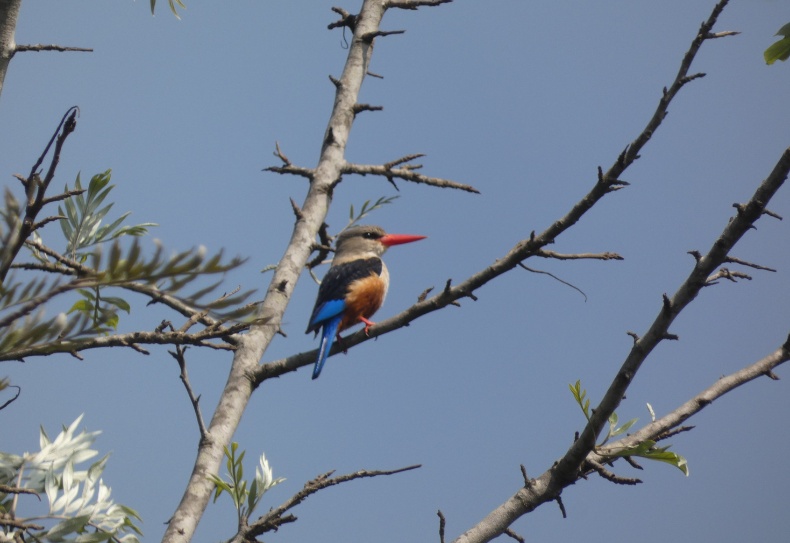
On the third day, we explored deeper sections of Karura Forest in search of some of its most sought-after forest beauties. The team was thrilled to observe the magnificent Narina Trogon, hear Hartlaub’s Turaco announcing its presence from the forest canopy, and spot the Grey-headed Kingfisher and the endemic Kikuyu White-eye. The workshop concluded with an informative session on bird migration before another rewarding walk through the forest, where we recorded remarkable species including the Brown-backed Scrub Robin, Emerald Cuckoo, Brown-chested Alethe, and a Black Sparrowhawk attending its nest. By the end of the four-day workshop, the team had documented an impressive 91 bird species, a testament to both Karura Forest’s rich avian diversity and the dedication of the participants.
This training was more than an opportunity to identify birds; it strengthened our understanding of Karura Forest’s biodiversity and enhanced our ability to deliver richer, more engaging environmental education experiences. By investing in the knowledge and skills of our Education Facilitators, KFEET continues to inspire curiosity, promote conservation, and connect learners with the remarkable birdlife that calls Karura Forest home.
We extend our sincere appreciation to Adarsh Nagda for generously sharing his knowledge, passion, and expertise throughout the training. His mentorship has left a lasting impact on our team, and we look forward to putting these valuable skills into practice as we continue inspiring the next generation of environmental stewards through meaningful environmental education.
World Environment Day 2026: A Global Call For Climate Action!
Celebrating World Environment Day 2026 at Karura Forest
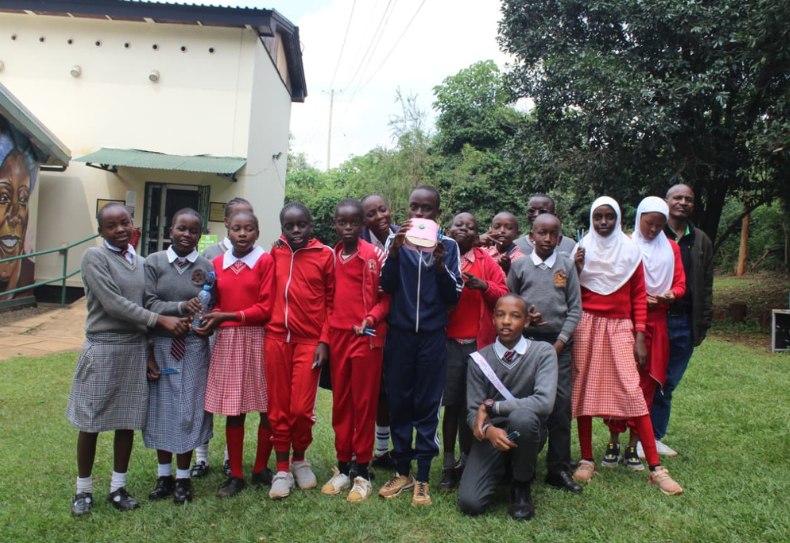
Today, 5th June 2026, we were delighted to celebrate World Environment Day with learners from Karura Forest Primary and Junior Secondary School, and Cheleta Primary and Junior Secondary School. The day was filled with learning, creativity, and hands-on environmental action, all centered around this year’s theme: “A Global Call for Climate Action.”
The students arrived shortly after 9:00 a.m. and, after enjoying a morning snack, gathered in the KFEET auditorium for an engaging learning session. Together, we explored the causes and impacts of climate change, discussing how changing weather patterns are affecting communities and ecosystems around the world. The learners also examined practical solutions, including the importance of transitioning to clean, renewable energy sources instead of relying on fossil fuels, which contribute to pollution and are finite in supply. Recycling was another key topic, with students learning how reducing waste can help conserve resources and protect the environment.
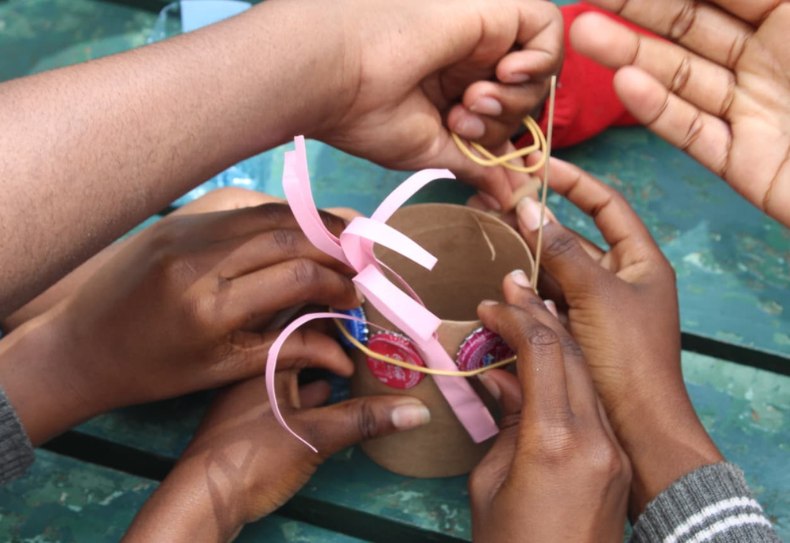
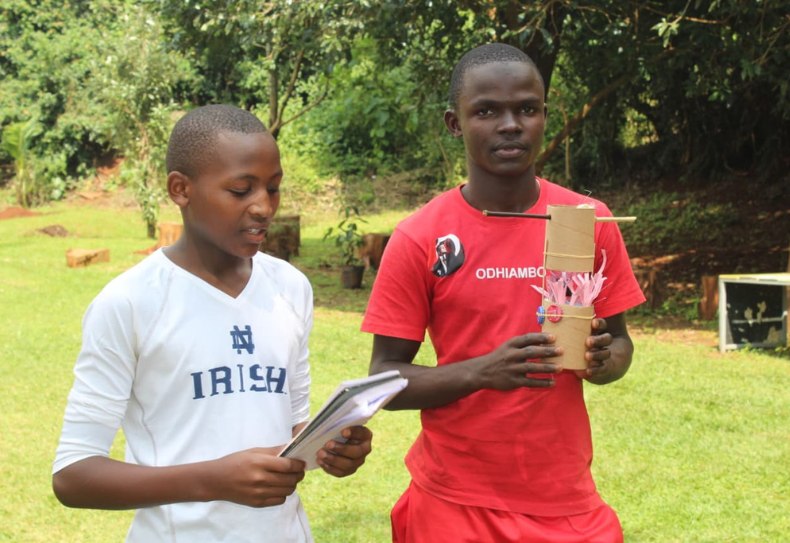
Following the indoor session, the learners took part in an exciting outdoor innovation challenge. Working in teams, they were tasked with creating something useful or creative from recycled materials such as plastic, paper, bottle tops, and rubber bands. Their enthusiasm and imagination were truly inspiring, and the results showcased remarkable creativity and problem-solving skills. As a reward for their efforts, each learner received a pencil made from recycled paper, a small but meaningful reminder of how everyday items can be given a second life.
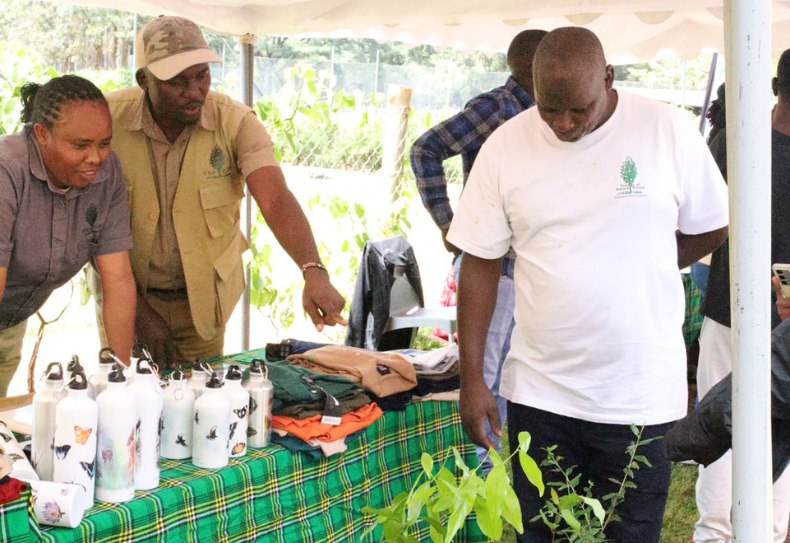
After a short break, we joined teams from the Kenya Forest Service and Friends of Karura Forest for the official launch of the World Environment Day exhibition. The exhibition opens today, 5th June, and will continue through to Sunday, 7th June, offering visitors an opportunity to learn more about environmental conservation and climate action initiatives.
The day’s activities concluded with one of Karura Forest’s most popular experiences, a guided walk to the Karura River Waterfalls. Following lunch, the learners set off on their forest adventure, enjoying the beauty of nature while reinforcing many of the environmental lessons discussed earlier in the day.
It was a truly memorable World Environment Day, filled with practical, hands-on learning, creativity, and inspiration. Seeing young people engage so enthusiastically with environmental issues gives us hope for a more sustainable future.
We wish everyone a happy, innovative, and impactful World Environment Day 2026. Together, through small actions and collective commitment, we can all play a part in protecting our planet for generations to come.
World Otter Day - Karura’s African Clawless Otters
In observance of World Otter Day held annually on 27th May, KFEET staff attended a lecture led by Friends of Karura Forest (FKF) Ecosystem and Biodiversity Monitoring Team lead, Peter Fundi. It was truly exciting to learn about Karura’s otters.
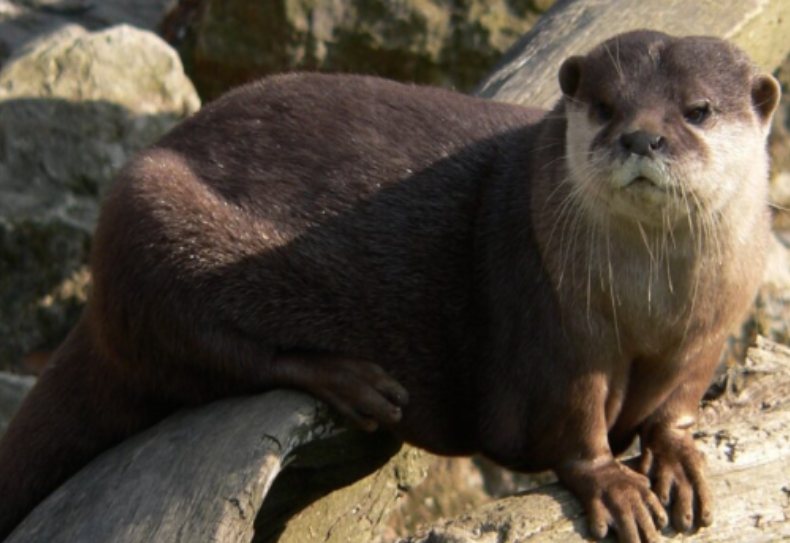
Deep within the flowing rivers and shaded wetlands of Karura Forest lives one of Africa’s most fascinating yet little-known mammals, the African Clawless Otter, also known as the Cape Clawless Otter (Aonyx capensis), or Fisimaji Kijivu in Kiswahili. This medium-sized semi-aquatic carnivore can grow between 1.1 and 1.6 metres long and live for up to 15 years. With a sleek elongated body, muscular rudder-like tail, and thick dark brown coat marked with pale cheeks and a whitish throat, the African Clawless Otter is perfectly adapted for life in and around water. Unlike many other otter species, its front paws are completely clawless and unwebbed, allowing it to skillfully search beneath rocks and riverbeds for food.
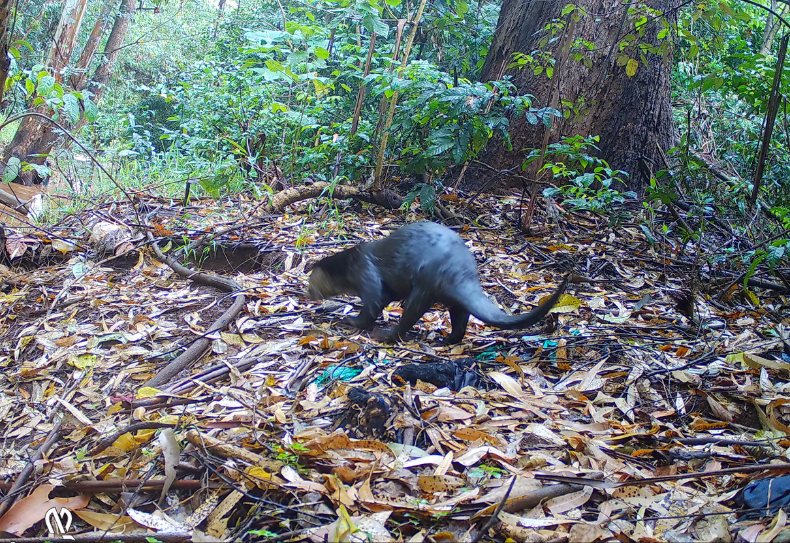
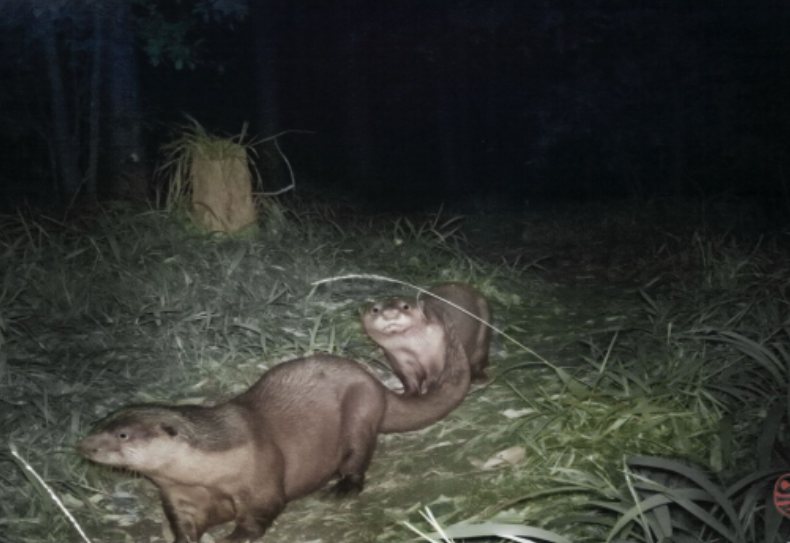
The African Clawless Otter feeds mainly on crabs, crayfish, frogs, insects, and small mammals, hunting mostly during the late evening, night, and early morning hours. They have a few natural predators, such as the African Rock Python. These crepuscular otters prefer habitats near rivers with rocky crags where they can rest, hide, and raise their young. Out of the 14 known otter species worldwide, Kenya is home to only two native species — the African Clawless Otter and the Spotted-necked Otter. In Karura Forest, conservationists have confirmed at least five otter families living within the five rivers that flow through the forest. Their presence is a positive sign, as otters are considered indicator species of healthy ecosystems. Because their prey depends on clean water, thriving otter populations often reflect relatively unpolluted rivers and wetlands.
Despite their playful and charming nature, otters face increasing threats across Africa. Most otter species are now considered near threatened or endangered due to habitat destruction and environmental degradation. While Karura Forest provides a relatively protected refuge, otters outside the forest continue to face dangers such as water pollution, destruction of riverbanks, drainage of wetlands for settlement, and human encroachment into natural habitats. Protecting these remarkable animals therefore requires more than safeguarding the animals themselves, it means protecting entire freshwater ecosystems.
Conservation efforts focused on wetland protection, reducing pollution, and strengthening community awareness and environmental education are essential for the survival of the African Clawless Otter. By conserving rivers, wetlands, and forest habitats, we not only protect otters but also preserve the health of ecosystems that support countless other species, including humans. The continued presence of these playful swimmers in Karura Forest is a hopeful reminder that with proper conservation efforts, wildlife and people can coexist in a healthier and more sustainable environment.
Julie Kimutai
Manager, KFEET
African Giant Snail and Kolb’s Monkeys
Playful Kolb’s monkeys, also known as Sykes’ monkeys, seem to be having a “face reveal” for their newest family member. Mothers are highly protective of their young, often carrying them on their bellies and allowing them to play only when they feel the environment is safe. They feed on fruits, flowers, and leaves from trees and shrubs, as well as birds’ eggs, invertebrates, and their larvae, which they methodically pluck from loose bark.
After rain, molluscs of various species appear in large numbers amid the forest undergrowth. Most are snails or slugs that feed on the leaves, stems, soft bark, and fruits of forest plants, or on decaying vegetable matter on the forest floor.
This is the Giant African Snail, displaying its beauty at KFEET office block. Snails are prone to desiccation over dry periods therefore they spend much of their lives aestivating within their shells under leaf-falls, where they lay their eggs. Snails provide a rich food-source for many forest creatures, including predatory insects, reptiles, birds, rodents and other mammals.
Through KFEET’S education programs, we educate kids on the vital role each animal category plays in the ecosystem.
Getrude Rop,
Admin Assistant.
Forests and Economies
International Day of Forests 2026
21st of March marks the global observance of the International Day of Forests (IDF), a day dedicated to raising awareness about the importance of forests and the vital role they play in sustaining life on Earth. Each year, a unique theme highlights a different aspect of forests and their global impact. In 2024, the theme was “Forests and Innovation,” followed by “Forests and Food” in 2025. This year, the theme is “Forests and Economies.”
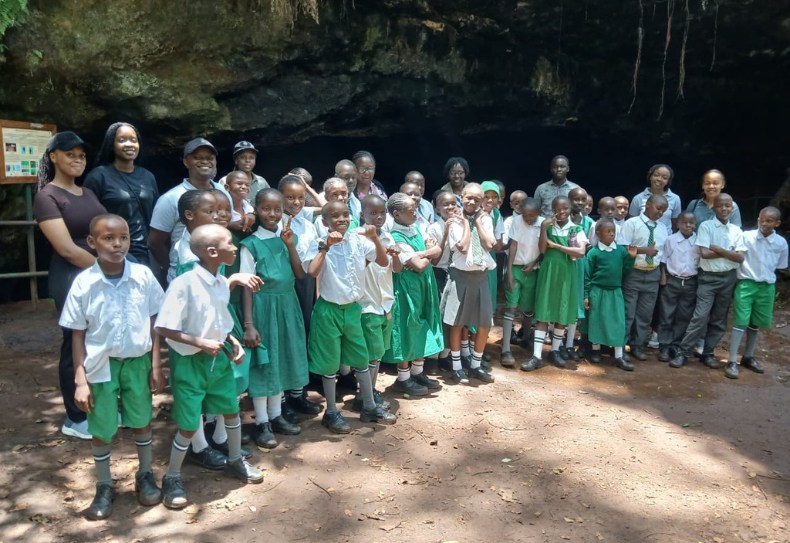
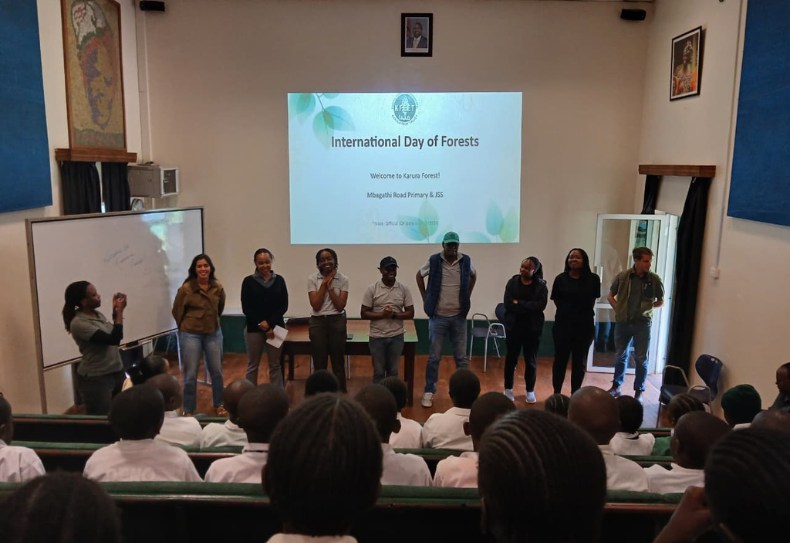
In the lead-up to this year’s celebrations, Karura Forest Environmental Education Trust (KFEET) was delighted to host a group of learners from Mbagathi Road Comprehensive School on Monday, 16th March 2026. Their visit was generously sponsored by New Forests Kenya, whose support made this meaningful experience possible.
This year’s theme provided an excellent opportunity to explore the critical connection between forests and the economy. Using Karura Forest as a living classroom, the learners discovered how forests contribute to local economies through tourism, job creation, and sustainable resource management. From guides and conservation staff to community-based initiatives, forests support livelihoods while safeguarding natural heritage.
Equally important is the link between a healthy environment and a thriving economy. Forests like Karura play a crucial role in improving both physical and mental well-being. Time spent in nature has been shown to reduce stress, boost immune systems, and enhance overall health benefits, which ultimately translate into more productive and resilient communities.
Karura Forest also provides essential ecosystem services for the city of Nairobi. It acts as a natural air purifier, contributing fresh oxygen to the urban environment. The rivers that flow through the forest also benefit from natural filtration, improving water quality before continuing downstream to support communities beyond the forest.
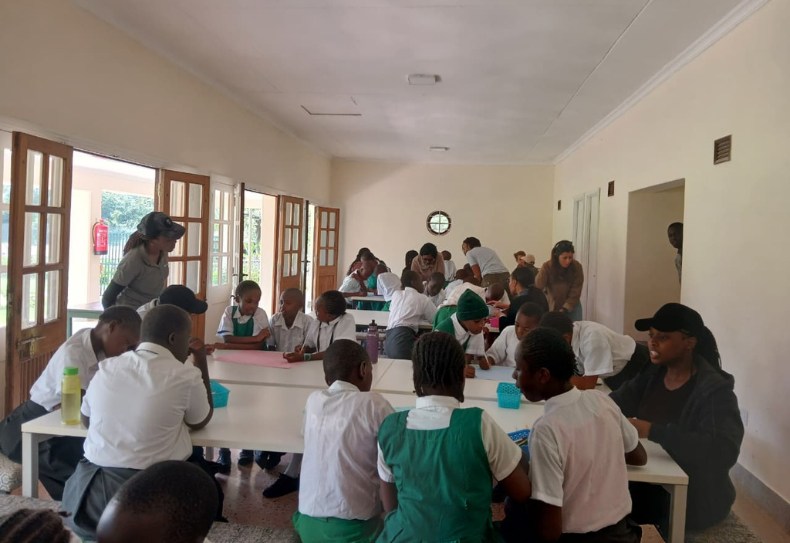
During their visit, the learners from Mbagathi Road Comprehensive actively engaged with these concepts. They created thoughtful and inspiring posters promoting conservation and environmental stewardship. A guided forest walk allowed them to experience firsthand the beauty and biodiversity of Karura, deepening their appreciation for its rich flora and fauna.
We extend our sincere gratitude to New Forests Kenya for sponsoring this visit and for joining the learners in this early commemoration of the International Day of Forests. Together, such partnerships help nurture the next generation of environmental stewards and reinforce the message that protecting our forests is not only vital for nature, but also for our economies and our future.
Julie Kimutai
Manager, KFEET
It’s a Monkeys’ World!
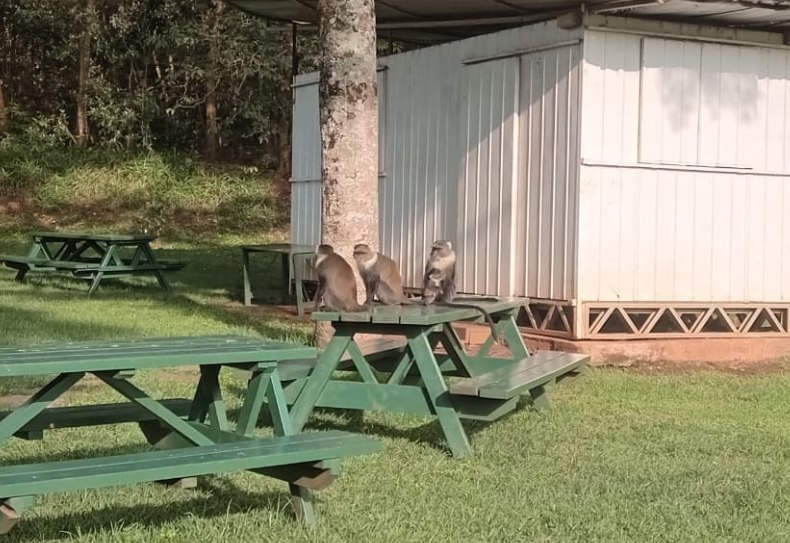
At times, when we are hard at work, it might be easy to forget that our offices are nestled right in the heart of Karura Forest. Fortunately, the monkeys are never far away and are always ready to remind us of that delightful fact.
Karura Forest is home to two fascinating species of monkeys. The first of these is the Sykes monkey (Cercopithecus albogularis), also referred to as the white-throated monkey or Samango monkey. This lively and curious species can be described as quite extroverted. Native to regions stretching from Ethiopia to South Africa, including parts of the south and east of the Democratic Republic of Congo, Sykes monkeys are easily recognisable due to the distinctive white patch on their throat and upper chest, as well as their grizzled cap.
Sykes monkeys are active, energetic, curious and highly social, living in large troops. They can often be spotted around the KFEET Centre, particularly in the morning hours. Their diet is widely varied, including young leaves, flowers, seeds, insects, bark, gum, fungi, and occasionally small vertebrates, they are true foragers at heart!
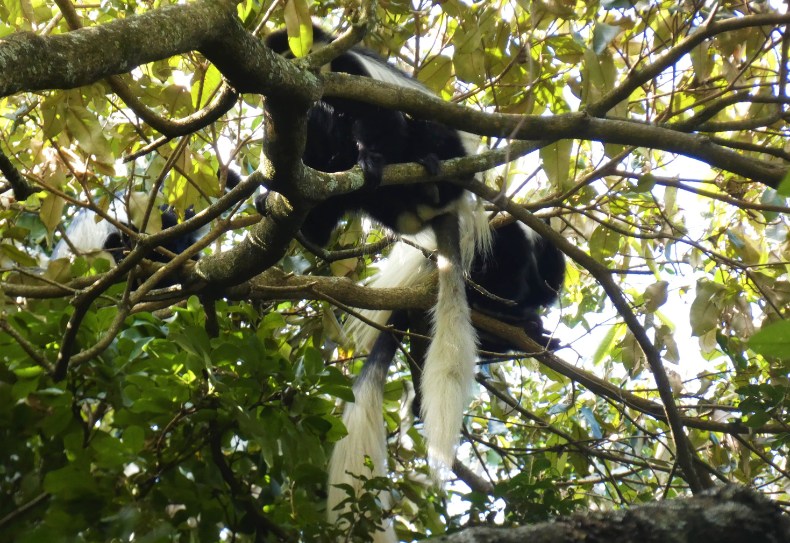
The second monkey species found in Karura Forest is the colobus monkey, a species with a particularly interesting history here. Originally residents of the forest many years ago, this species had completely disappeared. However, thanks to a translocation effort, some families were reintroduced to Karura Forest and have been thriving ever since. Unlike the Sykes monkeys, the colobus are highly arboreal, preferring the upper forest canopy. The colobus species subsists on plant matter including leaves, seeds, fruits and flowers.
The colobus are rarely seen by visitors to the forest, but thanks to camera traps and close monitoring by the Friends of Karura Forest Science and Research department, we know that they are doing well in the deeper, quieter parts of the forest. You can therefore imagine what a pleasant surprise it was for one of our KFEET team (Getrude) to recently spot a few amazing colobus monkeys jumping majestically from tree to tree just adjacent to the KFEET Centre! A rare and beautiful sight indeed.
So, as we get engrossed in our day-to-day tasks here at KFEET, we have frequent reminders that at the heart of the forest, it’s a monkeys’ world. We’re just lucky enough to be part of it! 🐒