World Otter Day - Karura’s African Clawless Otters
In observance of World Otter Day held annually on 27th May, KFEET staff attended a lecture led by Friends of Karura Forest (FKF) Ecosystem and Biodiversity Monitoring Team lead, Peter Fundi. It was truly exciting to learn about Karura’s otters.
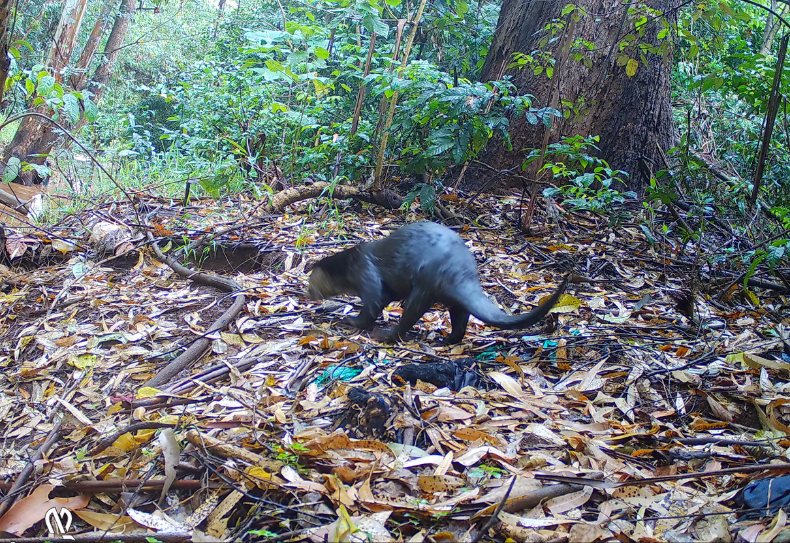
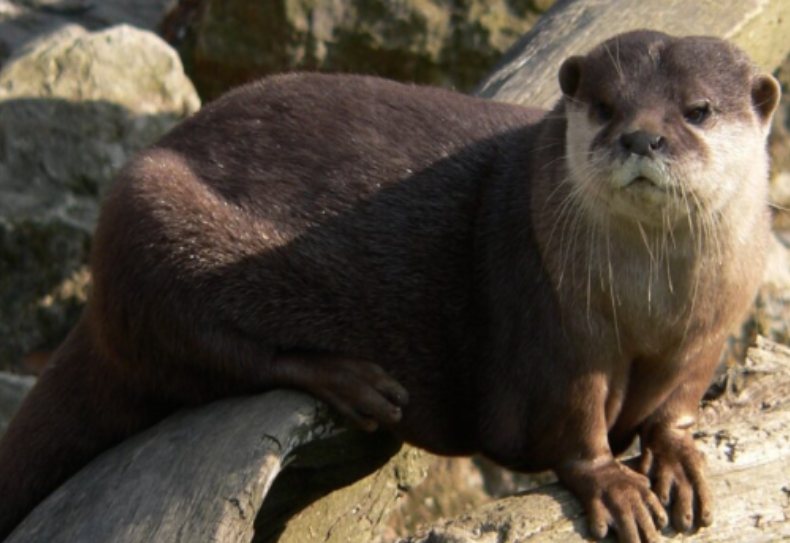
Deep within the flowing rivers and shaded wetlands of Karura Forest lives one of Africa’s most fascinating yet little-known mammals, the African Clawless Otter, also known as the Cape Clawless Otter (Aonyx capensis), or Fisimaji Kijivu in Kiswahili. This medium-sized semi-aquatic carnivore can grow between 1.1 and 1.6 metres long and live for up to 15 years. With a sleek elongated body, muscular rudder-like tail, and thick dark brown coat marked with pale cheeks and a whitish throat, the African Clawless Otter is perfectly adapted for life in and around water. Unlike many other otter species, its front paws are completely clawless and unwebbed, allowing it to skillfully search beneath rocks and riverbeds for food.
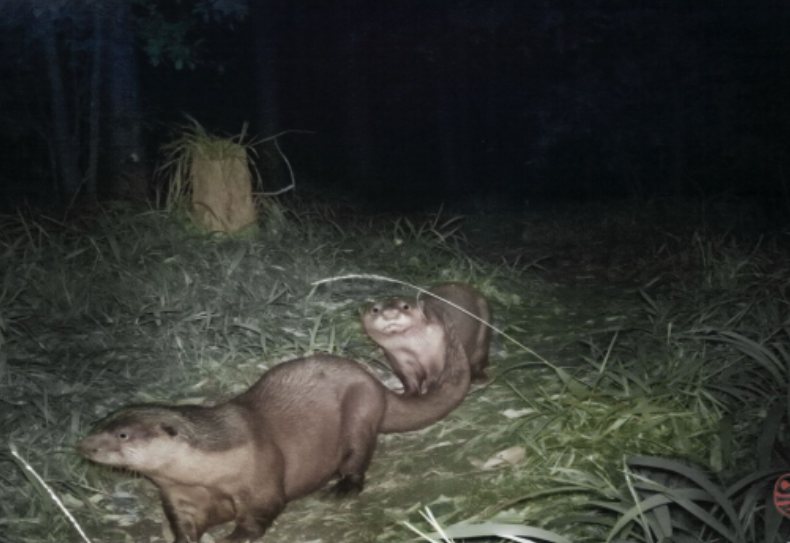
The African Clawless Otter feeds mainly on crabs, crayfish, frogs, insects, and small mammals, hunting mostly during the late evening, night, and early morning hours. They have a few natural predators, such as the African Rock Python. These crepuscular otters prefer habitats near rivers with rocky crags where they can rest, hide, and raise their young. Out of the 14 known otter species worldwide, Kenya is home to only two native species — the African Clawless Otter and the Spotted-necked Otter. In Karura Forest, conservationists have confirmed at least five otter families living within the five rivers that flow through the forest. Their presence is a positive sign, as otters are considered indicator species of healthy ecosystems. Because their prey depends on clean water, thriving otter populations often reflect relatively unpolluted rivers and wetlands.
Despite their playful and charming nature, otters face increasing threats across Africa. Most otter species are now considered near threatened or endangered due to habitat destruction and environmental degradation. While Karura Forest provides a relatively protected refuge, otters outside the forest continue to face dangers such as water pollution, destruction of riverbanks, drainage of wetlands for settlement, and human encroachment into natural habitats. Protecting these remarkable animals therefore requires more than safeguarding the animals themselves, it means protecting entire freshwater ecosystems.
Conservation efforts focused on wetland protection, reducing pollution, and strengthening community awareness and environmental education are essential for the survival of the African Clawless Otter. By conserving rivers, wetlands, and forest habitats, we not only protect otters but also preserve the health of ecosystems that support countless other species, including humans. The continued presence of these playful swimmers in Karura Forest is a hopeful reminder that with proper conservation efforts, wildlife and people can coexist in a healthier and more sustainable environment.