Karura's Mysterious Chimney: Brick, Bloom, and a Bit of Legend
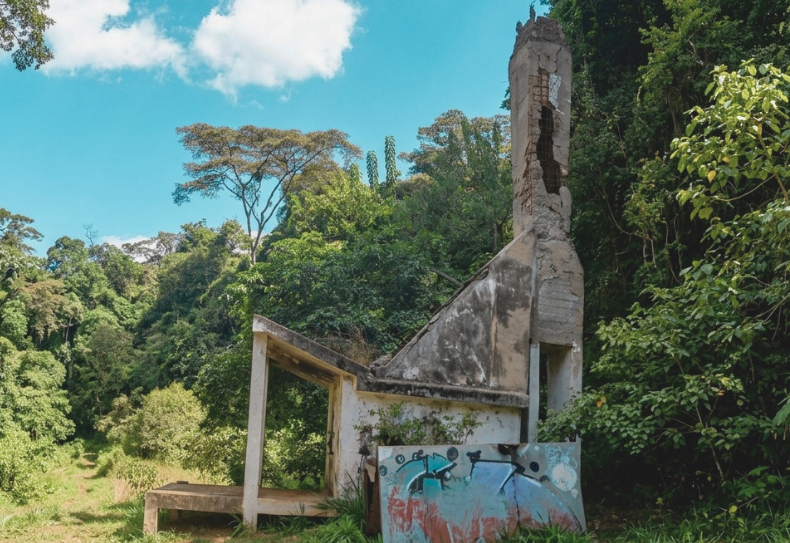
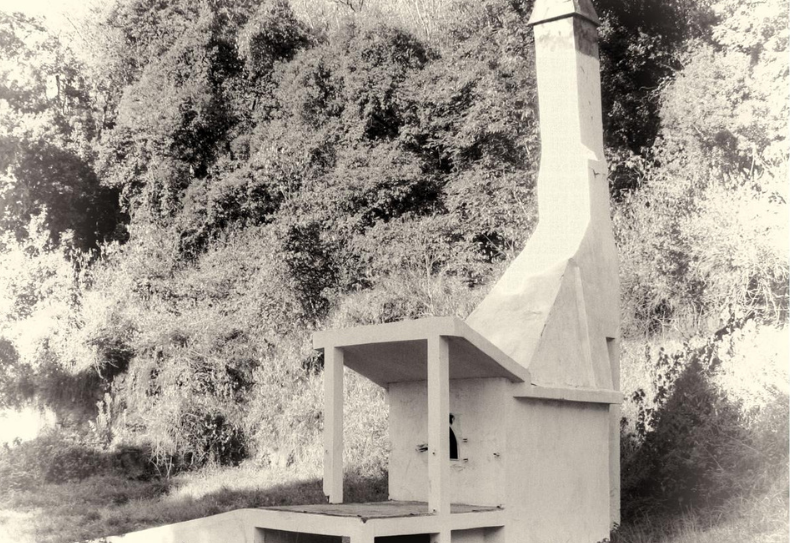
About a kilometre from the Kiambu Road entrance to Karura Forest (Gate A), there’s a location named Pretty Valley, otherwise known as No. 22. There stands a tall, whitewashed brick chimney standing alone amongst the trees, looking like a strange relic from the Victorian era that somehow found its way into an African forest. Everyone who sees it has many questions: is it an industrial relic? What on earth would burn there? The chimney was not used to burn bricks or charcoal, but money!
Picture heaps of money, going up in smoke amongst the bees and butterflies. This oddly beautiful and somewhat mysterious chimney belonged to the Central Bank of Kenya and was used as an incinerator for decommissioned currency notes right up until the mid-1990s. Money that was too old and torn up for further circulation didn’t get shredded behind sealed vaults but was brought here to Karura Forest to be burned. This fascinating detail turns this random, old brick chimney into a quietly dramatic landmark, a silent witness of a time long forgotten.
Of course, people always have lots of rumours about forests, and Karura’s chimney is no exception. One rather cynical theory holds that the currency notes were not really incinerated at all, but rather, recirculated to line a few well-positioned pockets. There is, obviously, no proof of this theory. But it certainly adds to the depths of conversation surrounding the old chimney.
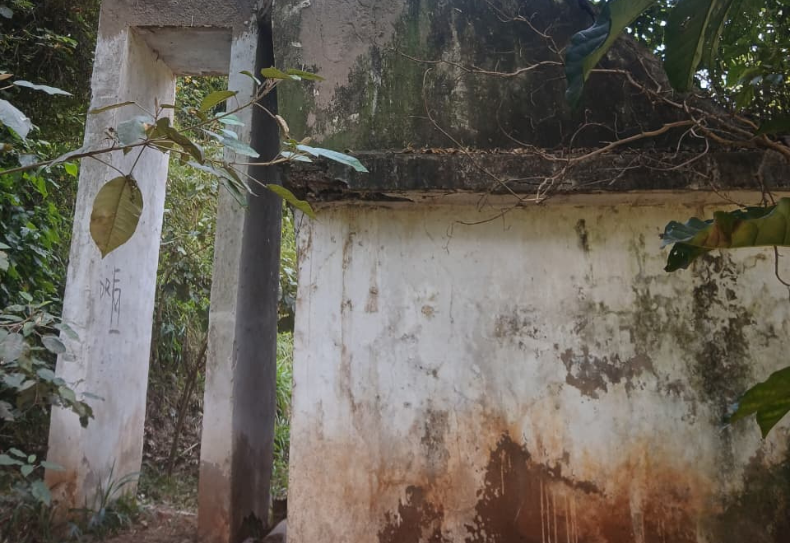
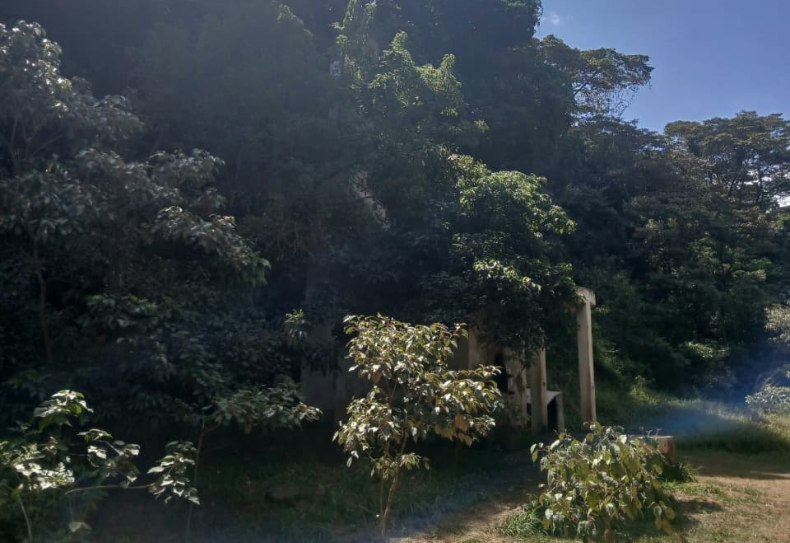
At one point, the chimney received a fresh coat of white paint and looked quite glamorous. Over the years, however, the paint has faded and weathered, and the chimney has gradually become less conspicuous, seeming almost to merge with the surrounding forest and become part of the landscape.
The chimney’s neighbourhood is quite a busy patch of forest. Suni antelopes often potter about nearby, and on the slightly elevated ground towards the KFS nursery, bushbucks have been known to make appearances. Bush pigs are also known to frequent the site, although being quite shy, you’d be far more likely to spot their droppings than the actual animals themselves. In the past, there have also been spottings of the elusive African rock python, although whether it still visits the area is another of our forest mysteries.
Near the chimney, wild raspberries grow in abundance, a huge attraction for many local birds. The Rubus flowers (of the berry-producing family) attract an array of pollinators: bees, butterflies and even sunbirds!
When you’re next in Karura Forest, it’s worth slowing down at Pretty Valley for the unique view, to ponder the history, and to simply to appreciate Karura’s old and wise chimney, which now almost perfectly blends in with the natural world around it.