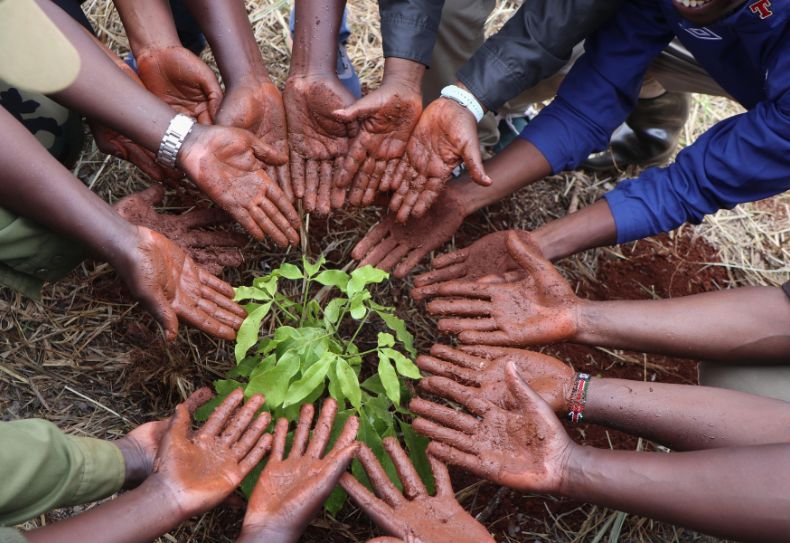
Karura Forest, A Living Classroom: The Power of Experiential Learning
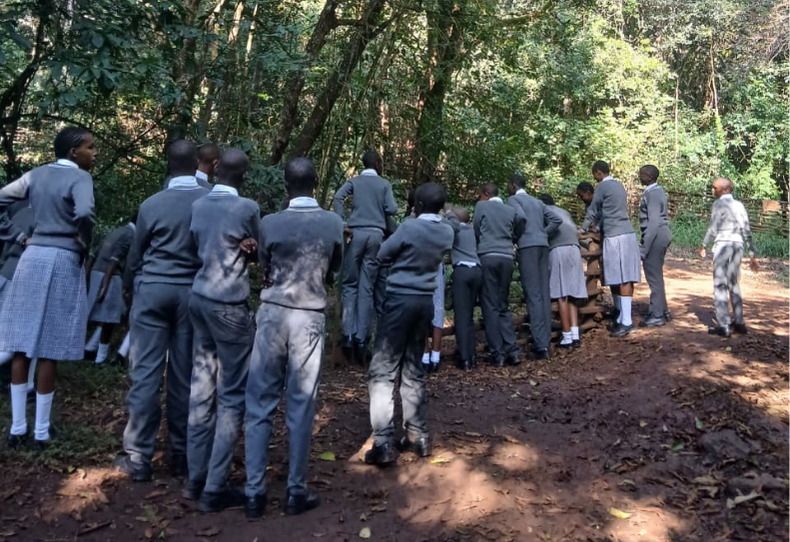
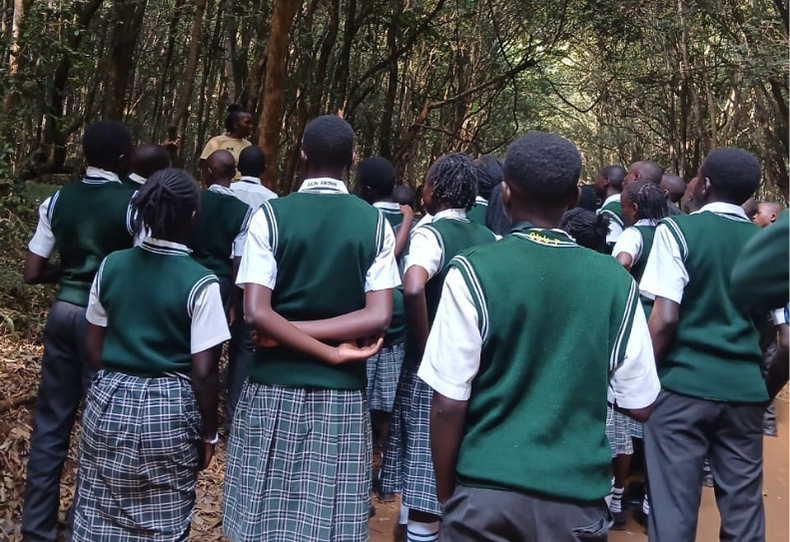
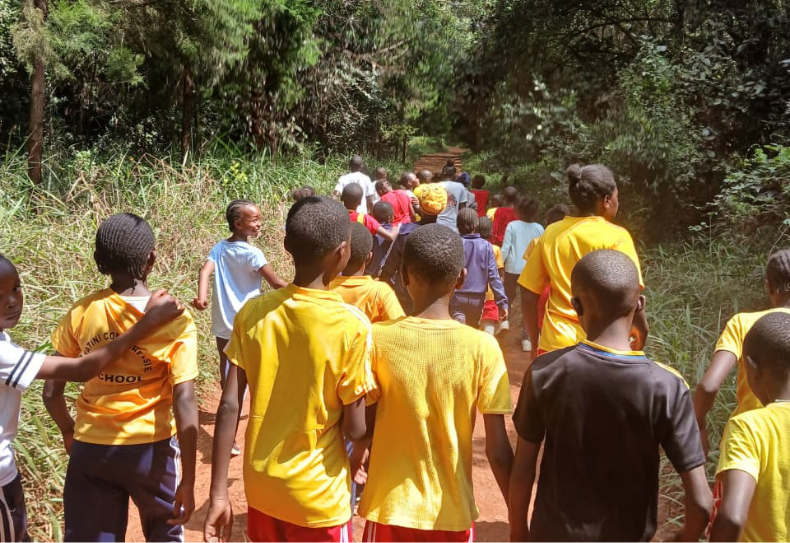
As we prepare to welcome learners back after the school holidays and resume the KFEET School Outreach Programme, it is a good time to pause and reflect on the value of bringing children into Karura Forest to learn. Every year, we welcome hundreds of children into the forest, many of them coming with ideas about trees, rivers, wildlife and conservation that they may have encountered in the classroom. Once they are here, those ideas take on a different meaning. A tree that they may have only seen in a book is suddenly right in front of them. They can feel its bark, look up into its branches and see the insects and birds that depend on it. Or, perhaps, a lesson about rivers becomes much easier to understand when they are standing beside a real stream, listening to the unforgettable sound of the waterfall, or watching the water move through the forest.
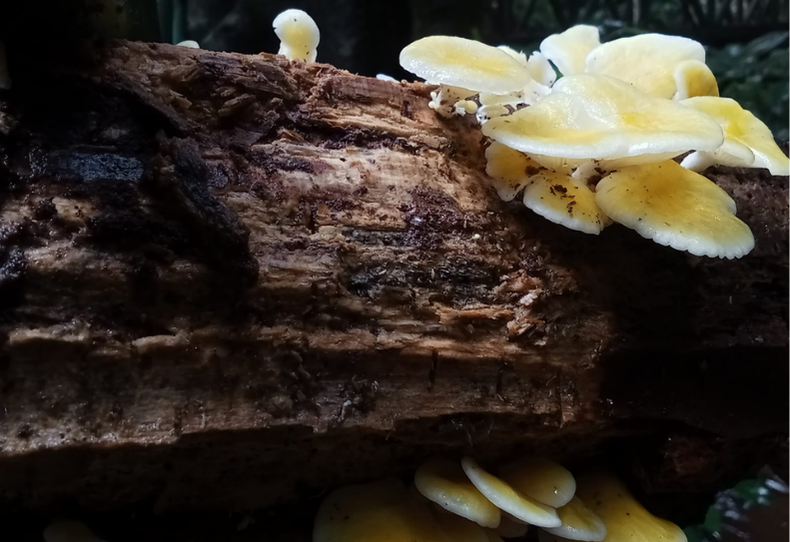
There is something about being outdoors that encourages children to look more closely and ask more questions. On a forest walk, a lesson can take an unexpected turn because someone has spotted an interesting insect, heard a bird call or noticed something unusual about a tree. Those moments are often where some of the best learning happens. Children do not simply listen to information, they observe, discuss, wonder, ask questions and try to make sense of what they see around them. The forest gives them a wonderful chance to share new experiences with their peers and to connect what they have learned at school with the world they live in
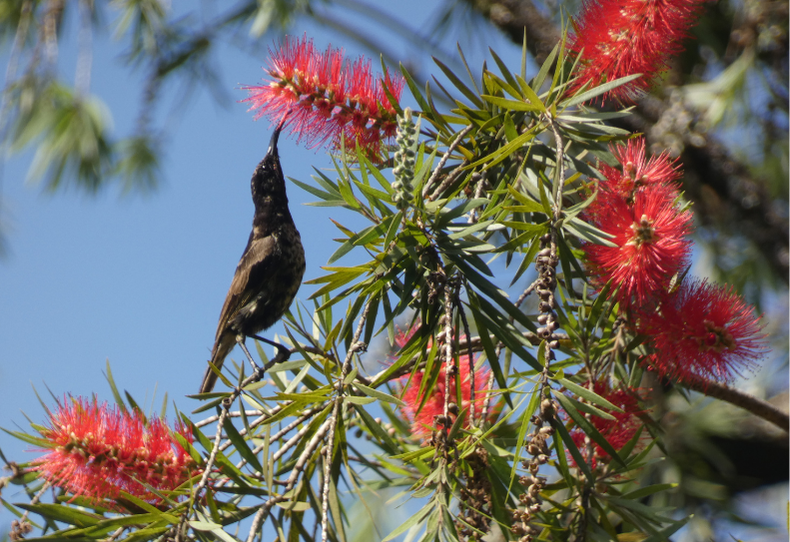
For many of our learners, particularly those growing up in Nairobi, a visit to Karura may be one of those rare opportunities to spend quality time in a natural environment. On very hot days, they experience the coolness beneath the canopy. Here, they can listen to the birdsong (maybe even spot some birds in the trees) and slow down just enough to notice the small details that are easy to miss in the busyness of everyday life. When a child develops a sense of wonder and curiosity about nature, conservation becomes more than a theoretical session and becomes something they can relate to and care about, and this leaves a lasting impression.
This is what makes our work so meaningful to us. We want every learner who visits us to leave with new knowledge, but also with a greater appreciation of the natural world and a feeling that they have a part to play in protecting it. As we look forward to welcoming schools back after the break, we are excited to once again see the forest through the eyes of our young visitors, with all their questions, discoveries and enthusiasm. Sometimes, the most memorable lessons are the ones that happen when we step outside the classroom.